Spanish Mackerel Fishing in Shalimar FL
Spanish Mackerel Fishing in Shalimar - What to Expect

Fishing Charter by Captain Robert Fulton in April
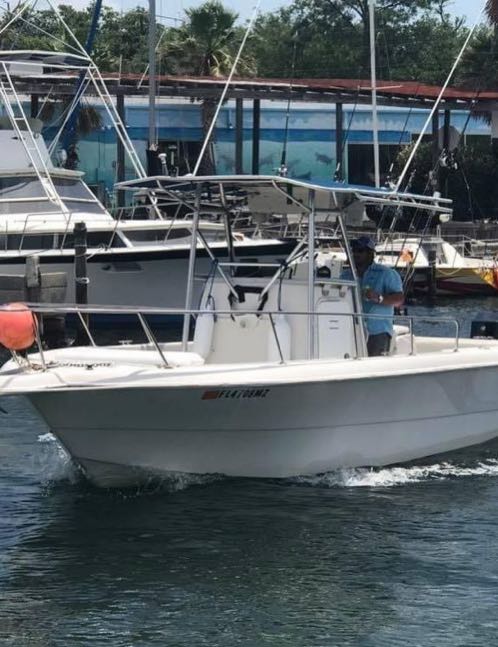
- Destin, Florida Fishing Charters Done Right!


Summary
Join Captain Robert Fulton on a fishing charter in Shalimar on Monday April for an exciting Spanish mackerel experience. This guided fishing trip targets one of the Gulf Coast's most aggressive and acrobatic species, offering an unforgettable day on the water with a professional captain who knows the local waters and techniques.
Fishing Charter with Captain Robert Fulton - Rates & Booking
Captain Robert Fulton of Have Fun Charters brings decades of inshore and nearshore expertise to every trip departing from Shalimar. On Monday April, anglers can experience a focused fishing charter targeting Spanish mackerel in prime Gulf waters. To discuss rates, group size, and charter availability, contact Have Fun Charters directly to reserve your spot and confirm all inclusions for your trip.
Highlights of Your Fishing Experience
Spanish mackerel runs deliver explosive action and consistent catches. These fish respond aggressively to live bait and artificial lures, making them ideal for both experienced anglers and newcomers. The species' powerful runs and acrobatic jumps create memorable moments throughout the day. Shalimar's proximity to productive fishing grounds means more time on the water and less travel.
Captain Fulton's local knowledge translates directly to success. He understands seasonal patterns, water conditions, and feeding behavior of Spanish mackerel in this region. His expertise helps position your group where fish are actively feeding, maximizing your chances of connecting with quality specimens.
Local Species Insights: Spanish Mackerel
Spanish mackerel are pursuit predators found throughout the Gulf of Mexico and Atlantic waters off Florida. These streamlined fish thrive in nearshore and inshore environments where they hunt smaller baitfish. They prefer depths ranging from 10 to 50 feet, though they often move into shallower waters during feeding periods. The species exhibits distinct seasonal behavior patterns, with peak activity during spring and fall months when water temperatures are optimal.
Spanish mackerel are identifiable by their elongated body, greenish-blue coloring on the back, and silvery sides. Bronze or gold spots run along their flanks, creating a striking appearance. Their teeth are sharp and numerous, designed for gripping slippery prey. These fish are fast swimmers capable of quick acceleration and sharp turns, making them challenging and rewarding opponents on the line.
On a fishing charter, anglers typically use medium-weight tackle with either live mullet, mackerel, or sardines as bait. Artificial lures including small spoons, plugs, and shad-pattern baits also produce consistent results. Spanish mackerel strikes are usually hard and unmistakable, providing immediate visual feedback. The fight that follows combines raw power with aerial acrobatics, as the fish frequently jumps to throw the hook.
Understanding their habitat and behavior patterns enhances your fishing strategy. Spanish mackerel gravitate toward deeper channels, drop-offs, and areas with current during low-light periods. They move into shallower flats and near structure during midday feeding windows. Captain Fulton uses this knowledge to adjust tactics throughout your charter, keeping your group connected with actively feeding fish. Each species presents unique challenges, and mastering Spanish mackerel techniques builds valuable skills applicable to other Gulf species.
Fishing in Destin: Spanish Mackerel

Spanish Mackerel Overview
The Spanish Mackerel (Scomberomorus maculatus) is a highly prized member of the Scombridae family within the order Perciformes, and it stands out as one of the ocean's most exhilarating game fish. Known for its sleek, silvery body adorned with distinctive yellowish oval spots and a dark greenish back, this species is instantly recognizable to anglers and seafood enthusiasts alike. What really sets the Spanish Mackerel apart is its incredible speed—clocking in at an average of 5.5 meters per second, making it one of the fastest swimmers in the ocean. Whether you're fishing off the coast of Florida or exploring the Gulf of Mexico, encountering a school of these magnificent fish is an unforgettable experience that combines excitement, challenge, and culinary reward.
Spanish Mackerel Habitat and Distribution
Spanish Mackerels thrive in tropical and subtropical waters throughout the Atlantic Ocean, Gulf of Mexico, and along both coasts of Florida. These fish are highly migratory, traveling seasonally from the northern Atlantic coast down to Mexico during winter months, and they can be found in virtually every ocean on the planet. They prefer areas with structures—whether offshore reefs, nearshore flats, oyster bars, or jetties—where they can hunt and school effectively. In warmer months, schools tend to move closer to shore, making them accessible to surf and pier fishers, while cooler seasons push them into deeper offshore waters. The species thrives in both open waters and coastal environments, making them versatile targets for different fishing approaches and experience levels.
Spanish Mackerel Size and Weight
Spanish Mackerels are relatively fast-growing fish, reaching full maturity in just two years. A typical adult specimen measures between 20 to 24 inches in length and weighs approximately 8 to 11 pounds. However, these fish can grow substantially larger under ideal conditions. The species regularly reaches sizes of 2 to 3 feet in length, with specimens weighing well over 30 pounds being fairly common among dedicated anglers. The largest Spanish Mackerel ever officially recorded measured just over 6 feet long and weighed approximately 120 pounds—a remarkable catch taken from the waters off Fraser Island, Australia. For most recreational fishing outings, expect to encounter fish in the 2 to 4-pound range, though larger specimens are always a thrilling possibility, especially when targeting schools in prime offshore locations.
Spanish Mackerel Diet and Behavior
As carnivorous predators, Spanish Mackerels are aggressive hunters with diverse appetites. They primarily feed on herring, menhaden, sardines, mullet, needlefish, and anchovy, but they'll also opportunistically consume shrimp, crabs, and squid when available. Their feeding behavior is characterized by lightning-fast strikes and explosive surface activity, especially when schools are actively hunting baitfish. These fish are highly social and often swim in large, coordinated schools that can stretch up to 20 miles in length—a sight that gets anglers' hearts racing. Their aggressive nature makes them exciting to target, as they respond enthusiastically to both live bait and artificial lures. Spanish Mackerels can live up to 25 years in the wild, providing experienced fish populations that know how to evade capture and deliver memorable battles on the line.
Spanish Mackerel Spawning and Seasonal Activity
Spanish Mackerels spawn during warmer months, with females releasing between 500,000 to 1.5 million eggs throughout the spawning season. The eggs are buoyant due to oily drops within them, allowing them to drift with ocean currents until fertilized by sperm released by males. Seasonal migration patterns are pronounced in this species: during winter, populations move southward toward Mexico and deeper waters, while spring and summer see them returning northward and moving closer to coastal areas. This predictable seasonal movement allows anglers to plan fishing trips strategically. In warmer weather, schools position themselves in shallower waters near shore, creating excellent opportunities for beach, pier, and jetty fishing. Conversely, winter fishing often requires offshore ventures into deeper waters where larger, more mature fish congregate.
Spanish Mackerel Techniques for Observation or Capture
Offshore Trolling and Drifting: One of the most effective methods for targeting Spanish Mackerels is trolling or drifting on boats through open water structures where schools congregate. Look for bait activity on the surface, diving birds, or use a fish finder to locate schools. Approach slowly and quietly to avoid spooking the fish, then present heavy metal lures or shiny spoons at varying depths. Use a medium 7 to 8-foot rod with 12-20 pound braided line and 1/0-2/0 circle hooks. Live bait such as sardines, mullet, minnows, or greenbacks presented on appropriate-sized hooks work exceptionally well.
Nearshore Casting Around Structures: For anglers based near shore, targeting Spanish Mackerels around oyster bars, flats, and nearshore structures yields consistent results. Cast heavy metal lures, shiny spoons, or plastics with jig heads toward structure edges and retrieve with medium-to-fast action to trigger strikes. Light to medium spinning tackle works perfectly for this approach. Around coastal areas like Florida's Gulf Coast and Atlantic shores, early morning hours and the hour before sunset often produce the most active feeding windows.
Surf, Pier, and Jetty Fishing: During warmer months when schools move into shallower waters, surf fishing from beaches, piers, and jetties becomes highly productive. Cast spoons and jigs into areas where baitfish are active, or use live-bait fishing with shrimp and small fish. Stay mobile along piers and jetties to locate actively feeding schools. Around popular fishing destinations, experienced anglers recommend fishing the deeper drop-offs near jetties where Spanish Mackerels often patrol. These locations provide excellent opportunities for even novice anglers to experience the thrill of hooking into a fast, powerful fish.
Spanish Mackerel Culinary and Nutritional Notes
Spanish Mackerel is widely considered excellent eating with a mild, not-overly-fishy flavor that appeals to diverse palates. The flesh is both flaky and tender, offering remarkable versatility in the kitchen. It can be grilled, baked, smoked, fried, steamed, or poached, making it suitable for numerous cuisines and cooking styles. The fish is particularly popular in Japan and other countries as a premium sushi ingredient, prized for its quality and flavor. Nutritionally, Spanish Mackerel is a powerhouse—packed with omega-3 fatty acids and high-quality protein that support heart health, reduce inflammation, and provide sustained energy. A single serving delivers significant percentages of daily recommended values for essential nutrients. Beyond its culinary appeal, Spanish Mackerel has become increasingly valued in sustainable seafood discussions, particularly as fishing regulations and catch limits have helped restore populations after decades of heavy commercial fishing.
Spanish Mackerel Frequently Asked Questions
Q: What is the best bait and tackle setup for Spanish Mackerel fishing?
A: For optimal results, use medium 7 to 8-foot spinning rods with 12-20 pound braided line and 1/0-2/0 circle hooks. Live bait such as sardines, mullet, minnows, greenbacks, and live shrimp are highly effective, as are cut bait like squid. For artificial lures, focus on heavy metal spoons and shiny lures that create vibration and flash to attract aggressive strikes. Plastics rigged on jig heads also produce consistent results.
Q: Where can I find Spanish Mackerel near the Florida coast?
A: Spanish Mackerel are abundant throughout Florida's Atlantic and Gulf coasts, particularly around structures like oyster bars, jetties, and offshore reefs. During warmer months, check nearshore flats and beaches where schools move into shallower waters. Offshore, look for bait schools and diving birds that indicate feeding activity. Local fishing reports and guides can pinpoint current hotspots, as schools migrate seasonally through predictable routes.
Q: Is Spanish Mackerel good to eat?
A: Absolutely—Spanish Mackerel is considered excellent eating with mild flavor and flaky, tender texture. It's versatile enough to be grilled, baked, smoked, fried, or enjoyed raw as sushi. The fish is rich in omega-3 fatty acids and protein, making it as nutritious as it is delicious. Many seafood enthusiasts rank it among their favorite fish for both restaurant preparation and home cooking.
Q: When is the best time to catch Spanish Mackerel?
A: Spring through early fall offers peak activity, with summer providing the most consistent action as schools move into shallower coastal waters. Early morning and evening hours typically produce more aggressive feeding. Winter fishing is possible but requires offshore ventures, as populations migrate southward and into deeper waters. Water temperature and seasonal migration patterns drive availability, so checking local conditions before planning a trip ensures the best odds of success.
Q: How fast is a Spanish Mackerel, and how does that affect fishing?
A: Spanish Mackerels are among the ocean's fastest fish, averaging 5.5 meters per second, which translates to explosive, thrilling strikes and hard-fighting battles. Their speed means they hit lures and bait aggressively and require responsive rod work to set the hook effectively. Use fast-action rods and stay alert—misses happen quickly with this species, but successful hookups deliver one of freshwater and saltwater fishing's most rewarding experiences.
Q: Are there regulations for Spanish Mackerel fishing?
A: Yes, fishing regulations are in place to protect Spanish Mackerel populations and ensure sustainable fishing. Minimum size restrictions apply in both Atlantic and Gulf of Mexico waters, with catch limits divided between commercial and recreational fishers. These regulations, implemented after overfishing reduced populations significantly, have been highly successful in restoring fish numbers. Always check current local and state regulations before fishing, as rules vary by region and change seasonally.