%2Ffit-in%2F250x250%2Fguide_websites%2F2655%2Fimages%2F1743546335367chatgpt_image_apr_2__2025__06_17_18_am-removebg-preview.png&w=1920&q=100)
/users/b353ccd3-285f-48a9-b0f2-d3136c1605c5/ratecard/487306498_1241554864641573_814980248145843279_n.jpg)
%2F300x300%2Fusers%2Fb353ccd3-285f-48a9-b0f2-d3136c1605c5%2Fratecard%2F487306498_1241554864641573_814980248145843279_n.jpg&w=256&q=75)
%2Ffilters%3Aformat(webp)%2F300x300%2F8c98a58c-0e03-44db-b289-35eb0023c75f%2Freport%2Fsocial%2Fimages%2Freport%2Fshalimar-fl-fishing-techniques-best-3930.png&w=256&q=75)
%2Ffilters%3Aformat(webp)%2F300x300%2F04a111f5-90a8-4342-a189-7018a444d2eb%2Freport%2Fsocial%2Fimages%2Freport%2Fhave-fun-charters-deep-sea-9185.png&w=256&q=75)
%2Ffilters%3Aformat(webp)%2F300x300%2F04a111f5-90a8-4342-a189-7018a444d2eb%2Freport%2Fsocial%2Fimages%2Freport%2Fshalimar-deep-sea-fishing-techniques-10124.png&w=256&q=75)
Destin's Premier 6-Hour Offshore Fishing Adventure

 Destin
What you will be catching:
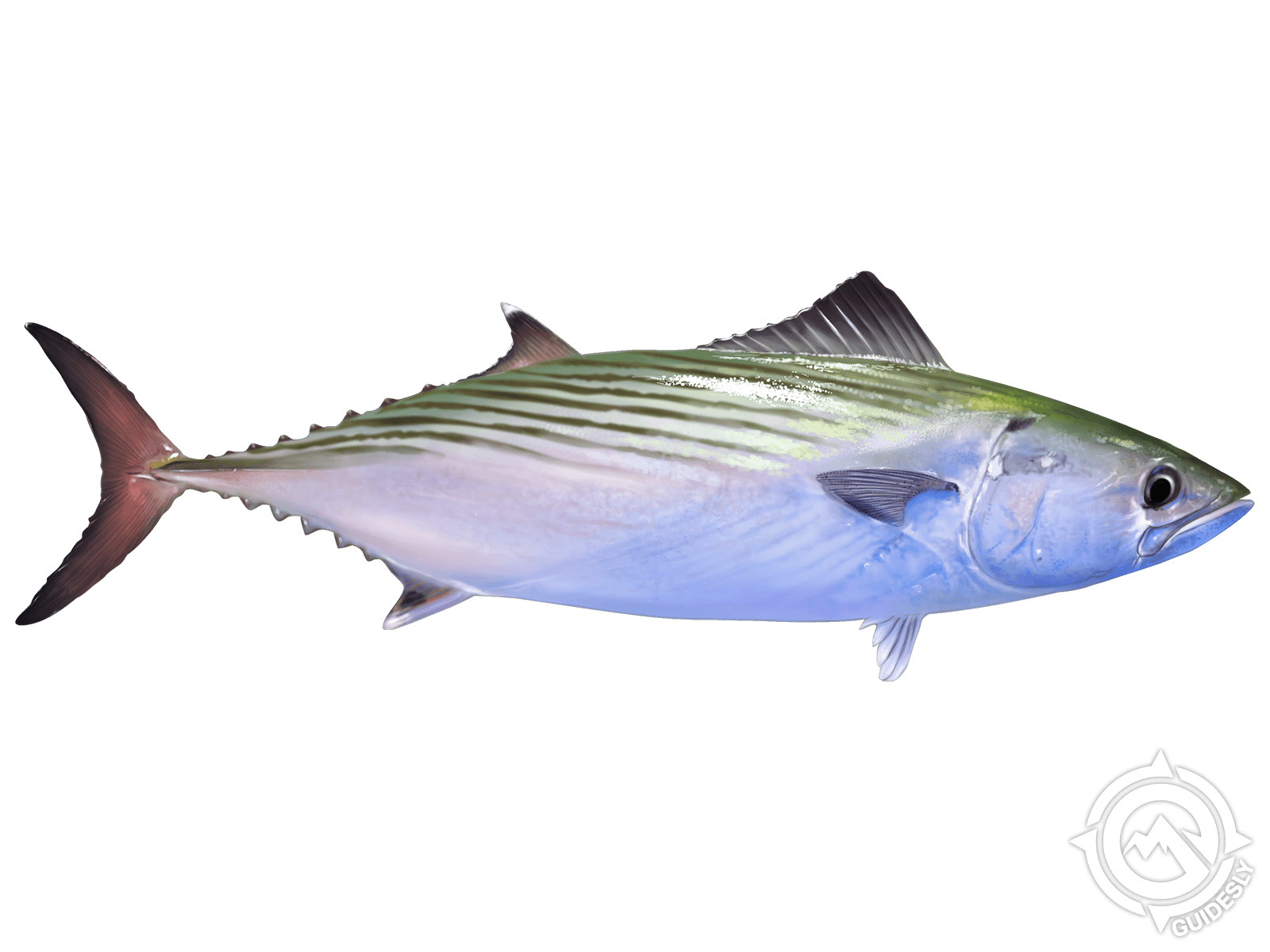
 Atlantic Bonito
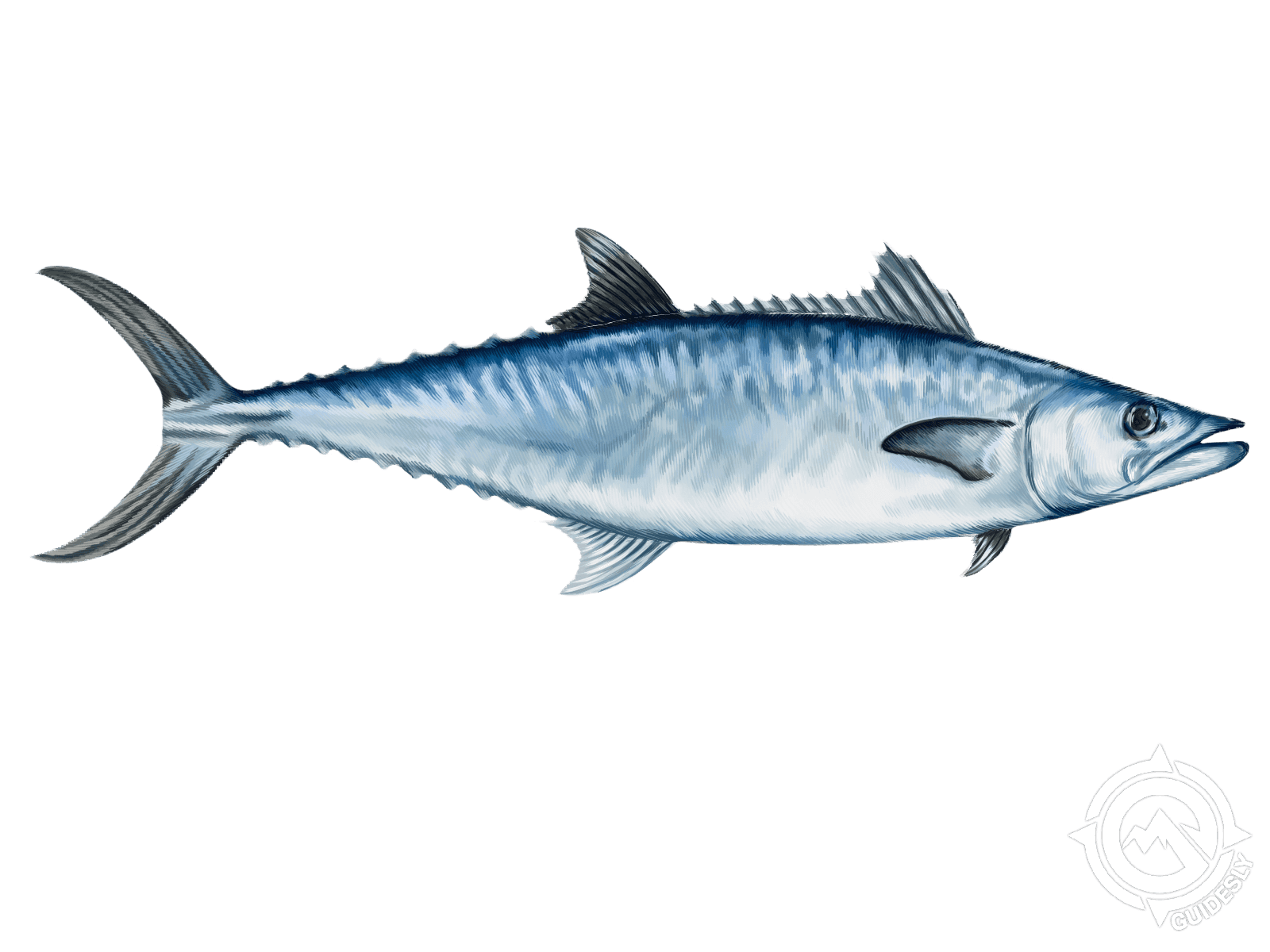
 King Mackerel
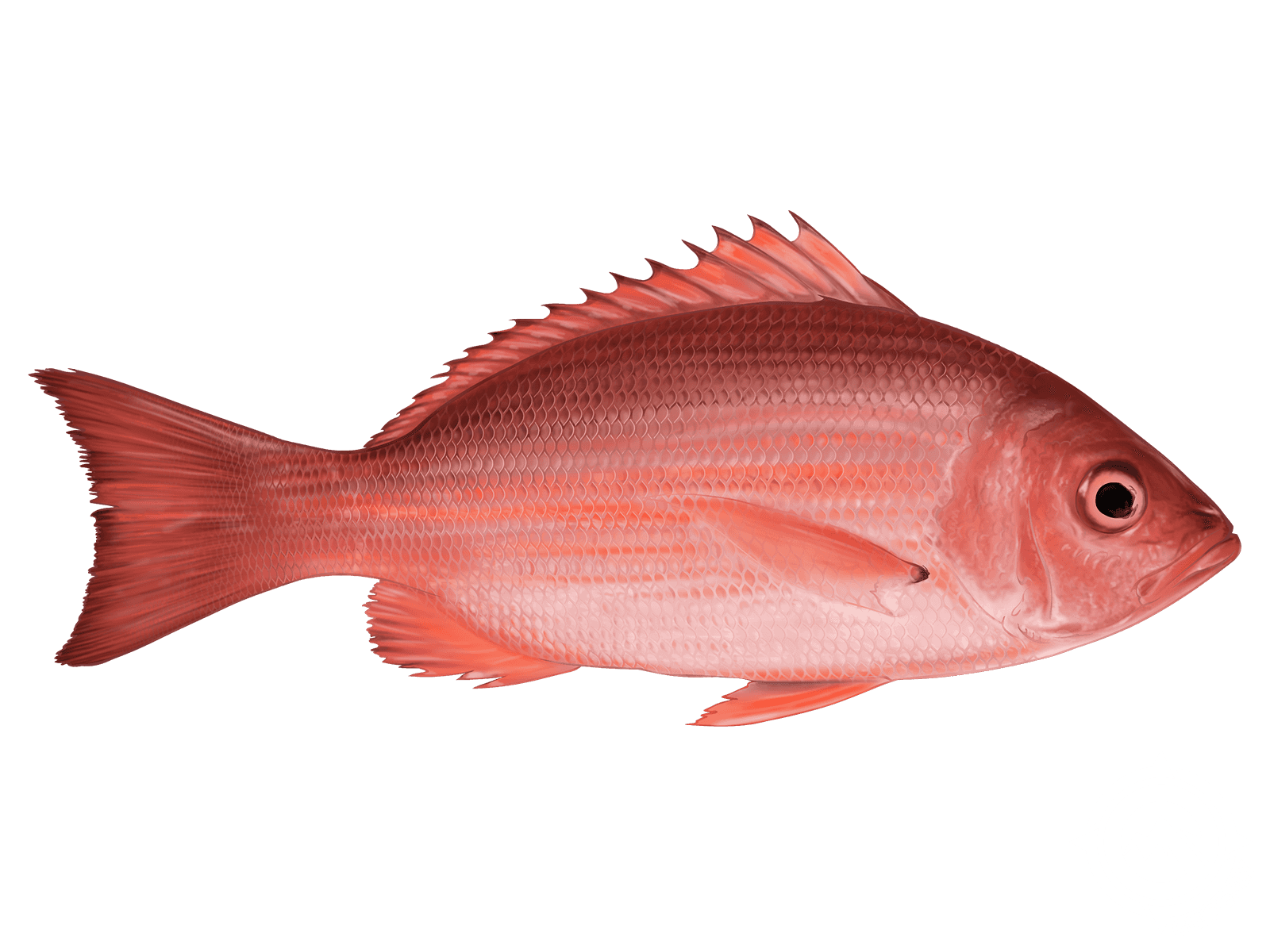
 Red Snapper
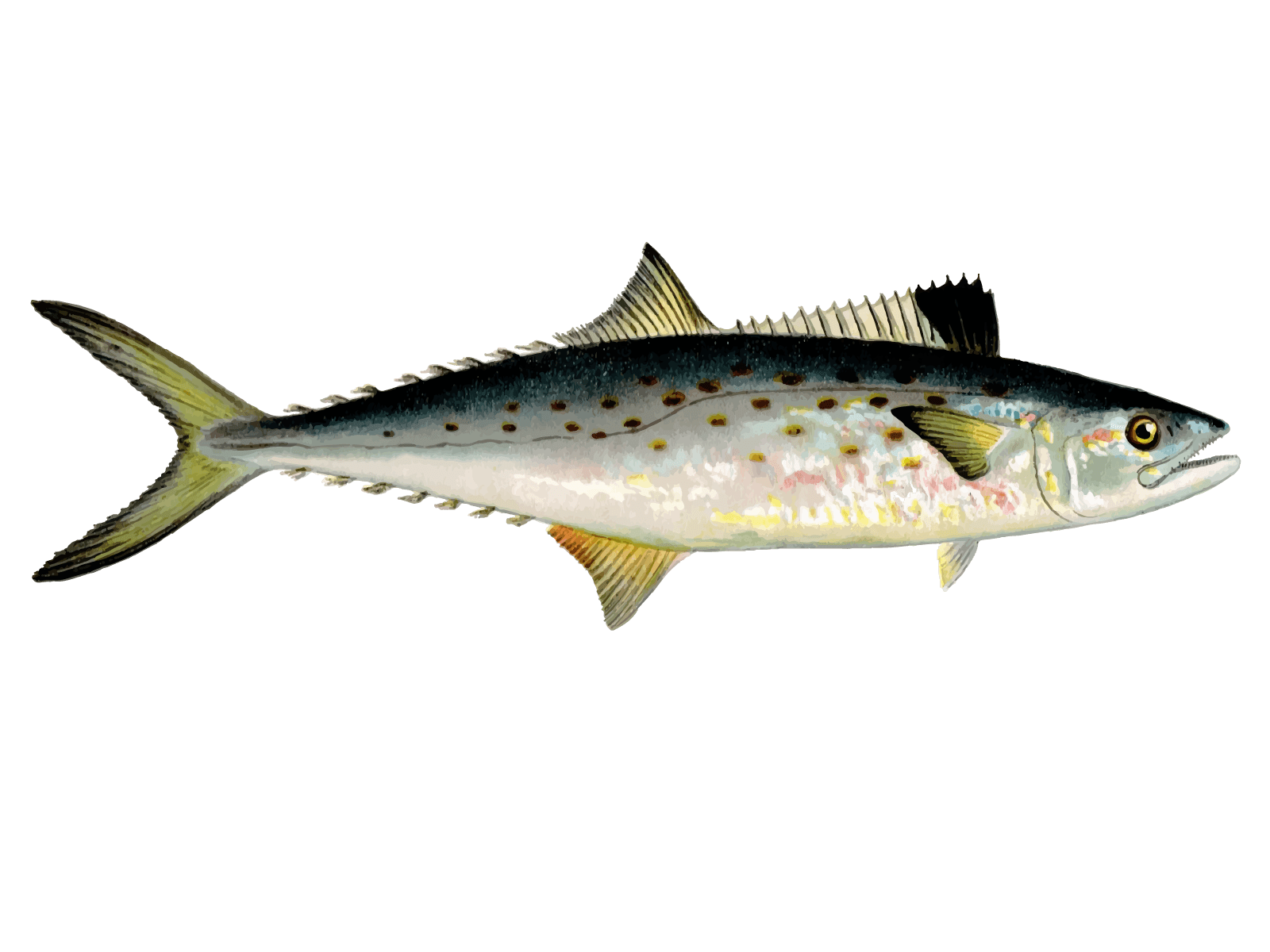
 Spanish Mackerel
- This 6-hour private charter from Destin takes you into the Gulf of Mexico for some serious offshore fishing. You'll start by trolling the nearshore waters for Spanish Mackerel, King Mackerel, and Bonito, then head to deeper spots to bottom fish for Red Snapper, Grouper, Triggerfish, and Vermilion Snapper. Have Fun Charters provides all your gear, bait, and tackle, so you just need to show up ready to fish. The captain adjusts the plan based on conditions to give your group of up to 6 people the best shot at multiple species. Perfect for beginners or experienced anglers looking for variety in Gulf waters.
Trip Pricing and Availabilities:
6-Hour Destin Offshore Fishing Charter
Ready to get serious about Gulf fishing? This 6-hour private offshore charter out of Destin puts you right where the action is, targeting everything from Spanish Mackerel to Red Snapper in some of the most productive waters off the Florida coast. We'll start the day trolling the nearshore areas before heading out to the deeper spots where the big fish hang out. With all your gear, bait, and tackle included, plus a crew that knows these waters like the back of their hand, you're set up for a top-rated fishing experience that works for everyone from first-timers to seasoned anglers.
What to Expect on the Water
Your day starts with a game plan based on current conditions and what's biting. We'll kick things off trolling the nearshore waters, which is where you'll often connect with Spanish Mackerel and King Mackerel as they cruise the structure and bait schools. Once we've worked those areas, it's time to head offshore to the deep-water bottom spots that hold Red Snapper, Vermilion Snapper, Triggerfish, and Grouper. The Gulf of Mexico off Destin is famous for its variety, and this charter is designed to give you a taste of it all. Weather and fish activity dictate our exact route, but your captain's local knowledge means we're always fishing where the odds are best. This is a private trip for up to 6 guests, so you're not sharing the experience with strangers or waiting for other people to land their fish.
Trolling and Bottom Fishing
We use two main techniques on this charter, and both are proven fish-catchers in these waters. Trolling involves pulling lures or rigged baits behind the moving boat, covering water efficiently and targeting active predators like mackerel and bonito. Your captain will set up the spread with different lures at various depths and distances, creating a presentation that looks natural to hungry fish. When we switch to bottom fishing, we're anchoring or drifting over productive structure where snapper, grouper, and triggerfish live. This means dropping baited rigs down to the bottom and working them in the strike zone. All the tackle is provided, from the rods and reels to the terminal tackle and fresh bait. Your crew handles the technical stuff, so you can focus on fighting fish and enjoying the Gulf.
Customer Stories
"Great time with them. Worried a little at first but turned out to be a heck of a good time. Can't say enough about the capt.and his deck hand. Great time would recommend to all." - Kent
Species You'll Want to Hook
Red Snapper are the crown jewel of Gulf bottom fishing, and Destin's offshore waters are world-class snapper habitat. These fish typically run 15 to 25 pounds, with occasional monsters pushing 30-plus. They're structure-oriented, hanging around artificial reefs, oil rigs, and natural bottom formations in 60 to 200 feet of water. Red snapper are aggressive feeders when you find them, but they're also smart fish that require the right presentation. Peak season runs from June through early fall, and there's nothing quite like the solid thump of a big snapper hitting your bait. They fight hard all the way to the boat and make outstanding table fare.
Spanish Mackerel are one of the most consistent catches in the Gulf, especially during the warmer months from spring through fall. These fish average 2 to 4 pounds and are absolute speed demons, making blistering runs when hooked. They school up around bait concentrations and structure, often feeding aggressively near the surface. Spanish mackerel are perfect for light tackle trolling, and their aggressive nature means they'll hit a variety of lures and baits. They're also excellent eating when prepared fresh, with firm white meat that's perfect for grilling or smoking.
King Mackerel, or "kings" as locals call them, are the big brothers of the mackerel family and one of the most sought-after offshore species. These fish can range from 20 to 50 pounds or more, with fall being prime time for the biggest specimens. Kings are notorious for their powerful runs and aerial displays, making them a customer favorite among anglers who want to test their skills against a serious adversary. They're typically found in 40 to 100 feet of water, relating to structure, bait schools, and temperature breaks. Trolling is the most effective technique, and when a king hits, you'll know it immediately.
Atlantic Bonito are the speedsters of the offshore scene, rarely exceeding 10 pounds but making up for size with pure athleticism. These fish are built for speed, with torpedo-shaped bodies and incredible stamina that will test your endurance. Bonito often travel in schools and feed aggressively on baitfish, making them willing biters when you encounter them. They're most common during cooler months and transitional periods, often showing up when other species are less active. While they're not typically kept for the table, bonito provide some of the most exciting light-tackle action you'll find in the Gulf.
Time to Book Your Spot
This 6-hour offshore charter delivers exactly what serious anglers are looking for: variety, action, and the chance to target multiple species in one trip. With professional equipment, experienced crew, and access to Destin's most productive offshore waters, you're getting a world-class fishing experience that's built around results. The Gulf of Mexico is fishing at its finest right now, and spots on this charter fill up quickly during peak season. Whether you're planning a guys' trip, family outing, or solo adventure, this is your chance to experience why Destin is renowned as one of the top fishing destinations on the Gulf Coast. Book your charter today and get ready to see what all the excitement is about.
Customer Review
Great Captain Crew

Kent Corbett
June 20, 2025
Learn more about the species
Atlantic Bonito
Atlantic Bonito are the speed demons that show up when you least expect them. These tuna-like fish with dark stripes along their backs typically run 3-8 pounds and fight way above their weight class. They travel in big schools through 30-100 feet of water, often feeding aggressively on the surface where you can spot diving birds. Fall migration brings the best action when they're moving through our area chasing baitfish. What makes them fun is their raw speed - they'll hit a trolled lure at 40 mph and keep that pace during the fight. While they're not great table fare here, they're pure adrenaline on light tackle. Look for the telltale signs: birds working over nervous water and dorsal fins cutting the surface like small sharks. When you find them, anything shiny thrown their way usually gets hammered.
King Mackerel
King Mackerel are the big bruisers that can really make your day memorable. These silvery torpedoes average 15-30 pounds but can push 50 pounds or more. They cruise the 40-150 foot range along drop-offs, ledges, and around bait schools in open water. Spring through fall brings the best fishing, with summer being prime time when they're feeding heavily. Kings are prized for their blistering runs - they'll rip line off your reel faster than almost anything else out there. The meat is rich and oily, great smoked or grilled fresh. Here's something that works well: when using live bait, rig with two hooks on a wire leader - one through the nose, one trailing behind. Kings often grab bait from the tail end, and that back hook saves a lot of missed fish.
Red Snapper
Red Snapper are the prize of Gulf bottom fishing. These bright red beauties typically run 16-24 inches and 3-8 pounds, though bigger ones over 20 pounds show up regularly. They hang around structure in 60-200 feet of water - wrecks, reefs, and hard bottom spots where they can ambush baitfish. Summer through early fall gives you the best action when they're most active. What makes them special? They fight hard, diving straight for cover when hooked, and the meat is absolutely top-shelf - mild, sweet, and perfect for any recipe. Here's a local trick: when you feel that first thump, don't set the hook right away. Let them take it and run for a second, then drive it home. They'll often mouth the bait first before committing.
Spanish Mackerel
Spanish Mackerel are perfect for getting into fish quickly on our nearshore trolling runs. These silver speedsters with their distinctive yellow spots typically measure 14-20 inches and weigh 2-4 pounds. You'll find them in 20-60 feet of water around structure, grass flats, and temperature breaks where baitfish gather. Spring through fall offers the best fishing, especially when water temps hit the 70s. What guests love about them is the consistent action - they travel in schools and hit fast-moving lures with authority. The fight is quick but energetic, and they make excellent table fare with mild, flaky white meat. Pro tip: when trolling for them, keep your speed up around 6-8 knots. They prefer lures moving fast, and a slow presentation often gets ignored.
About the 24’ Proline Center Console
%2F%2Fusers%2Fb353ccd3-285f-48a9-b0f2-d3136c1605c5%2Fvehicle_picture%2F1.jpg&w=1920&q=75)
Vehicle Guest Capacity: 6
Manufacturer Name: Suzuki
Maximum Cruising Speed: 35
Number of Engines: 1
Horsepower per Engine: 300

Great time with them. Worried a little at first but turned out to be a heck of a good time. Can't say enough about the capt.and his deck hand. Great time would recommend to all.