%2Ffit-in%2F250x250%2Fguide_websites%2F2655%2Fimages%2F1743546335367chatgpt_image_apr_2__2025__06_17_18_am-removebg-preview.png&w=1920&q=100)
/users/b353ccd3-285f-48a9-b0f2-d3136c1605c5/ratecard/rsw_1280h_960.webp)
%2F300x300%2Fusers%2Fb353ccd3-285f-48a9-b0f2-d3136c1605c5%2Fratecard%2Frsw_1280h_960.webp&w=256&q=75)
%2F300x300%2Fusers%2Fb353ccd3-285f-48a9-b0f2-d3136c1605c5%2Fimages%2F3-fish-caught-florida-2825.jpg&w=256&q=75)
%2F300x300%2Fusers%2Fb353ccd3-285f-48a9-b0f2-d3136c1605c5%2Fimages%2Fawesome-fishing-florida-2307.jpeg&w=256&q=75)
%2F300x300%2Fusers%2Fb353ccd3-285f-48a9-b0f2-d3136c1605c5%2Fimages%2Fbountiful-little-tunny-catch-shalimar-2662.jpeg&w=256&q=75)
%2F300x300%2Fusers%2Fb353ccd3-285f-48a9-b0f2-d3136c1605c5%2Fimages%2Ffantastic-fishing-florida-2464.jpg&w=256&q=75)
%2F300x300%2Fusers%2Fb353ccd3-285f-48a9-b0f2-d3136c1605c5%2Fimages%2Fangler-shalimar-triumph-2393.jpeg&w=256&q=75)
%2F300x300%2Fusers%2Fb353ccd3-285f-48a9-b0f2-d3136c1605c5%2Fimages%2Fexcellent-fishing-shalimar-2425.jpeg&w=256&q=75)
%2F300x300%2Fusers%2Fb353ccd3-285f-48a9-b0f2-d3136c1605c5%2Fimages%2Ffishing-in-shalimar-2433.jpeg&w=256&q=75)
%2F300x300%2Fusers%2Fb353ccd3-285f-48a9-b0f2-d3136c1605c5%2Fimages%2Fshalimar-fishing-trip-2489.jpg&w=256&q=75)
%2F300x300%2Fusers%2Fb353ccd3-285f-48a9-b0f2-d3136c1605c5%2Fimages%2Ffantastic-fishing-in-fl-2592.jpeg&w=256&q=75)
%2F300x300%2Fusers%2Fb353ccd3-285f-48a9-b0f2-d3136c1605c5%2Fimages%2Fspanish-mackerel-fishing-fl-2422.jpeg&w=256&q=75)
Kid-Friendly Bay Fishing Trip in Choctawhatchee
 Destin
What you will be catching:
 King Mackerel
 Red Snapper
 Redfish
 Spanish Mackerel
- This 2-hour guided fishing trip in Choctawhatchee Bay is built specifically for kids 12 and under. We'll work the calm, protected waters where young anglers can learn the basics while catching local species on a catch-and-release basis. All your bait, tackle, and gear are included, and parents can join to help out. Adults who want to fish can add that option for $175. The bay's gentle conditions make it perfect for first-timers, and our guides know how to keep kids engaged while teaching proper techniques. It's a great way to get the whole family on the water without the rougher conditions you'd find offshore.
Trip Pricing and Availabilities:
Kid-Friendly Bay Fishing in Destin Waters
Looking to get your little ones hooked on fishing? This 2-hour private charter in Choctawhatchee Bay is exactly what you need. We've designed this trip specifically for kids 12 and under, keeping things simple, safe, and fun in the calm, protected waters of the bay. Your young anglers will learn the basics while actually catching fish – not just hearing about it from the dock. All the gear, bait, and tackle come with the trip, so you just need to show up ready to make some memories. Parents can come along to help out, and if you want to wet a line yourself, we can set that up for an extra fee.
What to Expect on the Water
Choctawhatchee Bay is the perfect classroom for young fishermen. The protected waters stay calm most days, which means less seasickness and more fishing time. We'll anchor up in spots where the fish are biting and the kids can actually see what's happening with their lines. This isn't about hauling in monster fish – it's about teaching patience, proper technique, and building confidence on the water. Each child gets their own rod and reel sized just right for their hands, and we'll show them how to cast, set the hook, and bring in their catch. The whole experience focuses on catch-and-release, so we're teaching conservation while having a blast. With space for up to 6 guests, it's perfect for birthday parties, family outings, or just a special day with the grandkids.
Bay Fishing Techniques
We keep the fishing methods simple but effective for this age group. Most of the time, we'll be bottom fishing with light tackle – easy for small hands to manage and great for feeling those exciting bites. We'll use circle hooks for safer catch-and-release, and the kids will learn why that matters for keeping our fishery healthy. Live bait works best in the bay, usually shrimp or small baitfish that the local species can't resist. We'll also try some artificial lures when conditions are right – kids love the action of reeling in a fish that hit a moving target. The bay's grass flats, oyster bars, and channel edges all hold different types of fish, so we'll move around to keep things interesting. Each spot teaches something new about reading water and understanding where fish like to hang out.
Species You'll Want to Hook
King Mackerel are the speed demons of our local waters. These silver bullets can grow over 40 pounds, though the ones we typically see in the bay run smaller and more manageable for young anglers. They're built for speed with razor-sharp teeth, making every hookup feel like a mini-battle. Kings are most active during warmer months, and they'll hit fast-moving baits with aggressive strikes that get kids' hearts pumping. The fight is pure excitement – they'll make runs that peel line off the reel and jump clear out of the water. What makes them special for kids is that unmistakable hit when they strike. There's no guessing – when a king hits your bait, you know it immediately.
Redfish are hands-down one of the best species for teaching kids proper fishing technique. These copper-colored bruisers hang around grass flats and oyster bars throughout Choctawhatchee Bay year-round. They typically run 18-27 inches in our waters, with that distinctive black spot near their tail that makes identification easy. Reds are aggressive feeders but they fight smart, using their broad sides to pull against the rod. Kids love how these fish seem to know exactly where every piece of structure is underwater, making long runs toward oyster bars and grass beds. They're perfect for teaching patience too – redfish often mouth the bait before committing, so young anglers learn to wait for the right moment to set the hook. The consistent action and hard-pulling fights make redfish a top choice for building confidence.
Red Snapper bring that classic bottom-fishing experience that every angler should know. These ruby-red fish with their prominent teeth and big eyes are relatively easy to hook once you find them around structure. In our bay system, smaller snapper hang around shell beds and artificial reefs, usually running 12-16 inches. They're perfect for teaching kids about different fishing techniques since snappers require more finesse than aggressive species. The bite feels different – more like a tap-tap-pull than the slam of a mackerel. Kids get excited seeing that bright red color come up through the water, and snappers photograph beautifully for those memory shots before release. They're also great for teaching fish handling since their size is manageable but they still require respect for those sharp gill plates.
Spanish Mackerel are like the little brothers of kings but with their own personality. These smaller speedsters rarely exceed 3 pounds, making them perfect for young hands to handle. They're covered in distinctive yellow spots and have that same torpedo shape that screams "fast fish." Spanish mackerel are often the most cooperative species in the bay, hitting small spoons, jigs, and live bait with enthusiasm. They school up heavily, so when you find one, you've usually found a bunch. Kids love the non-stop action when we locate a school – as soon as one line comes in, another fish hits. They're also great for teaching proper fish care since they're delicate and need quick handling for successful release. The year-round availability makes Spanish mackerel a reliable target no matter when you book your trip.
Time to Book Your Spot
This charter fills up fast, especially during school breaks and summer months when families are looking for that perfect outdoor activity. The 2-hour timeframe is just right – long enough to learn some real skills and catch fish, but not so long that young attention spans start to wander. Remember, this is a private trip, so you're not sharing the experience with strangers. Your kids get personalized attention and can go at their own pace. If someone needs a snack break or gets excited and wants to talk about their catch, we've got time
Learn more about the species
King Mackerel
King Mackerel are fast-moving predators that typically run 15-30 pounds, though we've seen some push 50+ pounds out in deeper water. They're built for speed with razor-sharp teeth, so wire leaders are a must. You'll find them cruising 40-150 feet deep around structure and bait schools, especially during spring and fall migrations when water temps hit that sweet spot of 68-75°F. Kings put up a serious fight with blazing runs that'll test your drag. The meat's good eating when fresh, though it's oily. My go-to trick? Use a stinger hook setup with live bait - these fish love to hit from behind and that second hook saves a lot of cut-offs. When trolling, watch for diving birds marking bait.
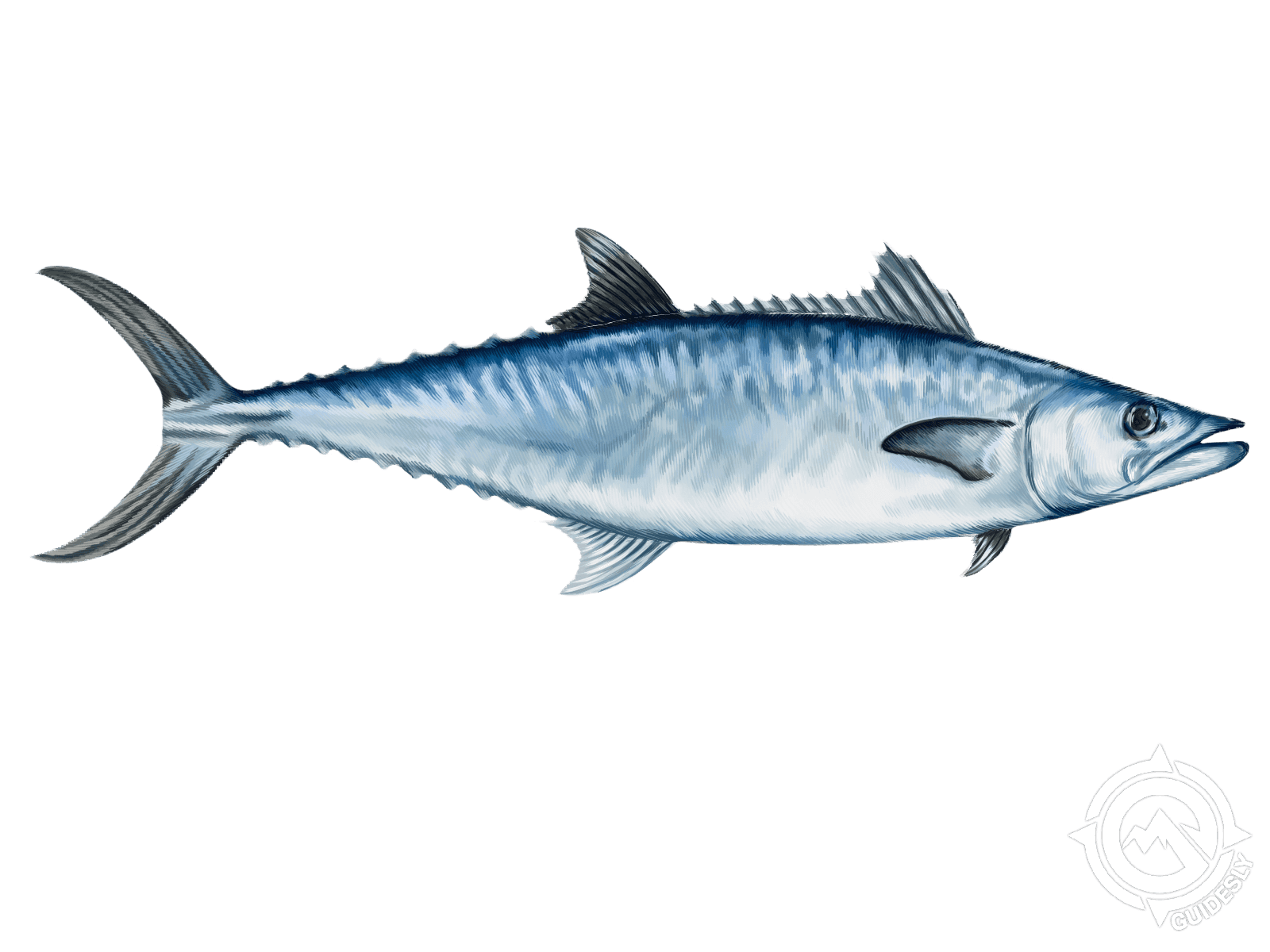
Red Snapper
Red Snapper are the prize fish of the Gulf, growing 15-35 pounds with that classic bright red color. They live around hard bottom and structure in 30-200 feet, but we target the smaller ones in shallower water for this trip. Spring through fall offers the best action when they're actively feeding. What makes snapper fishing fun is their aggressive strike and strong fight - they'll try to get back to cover and break you off. The meat's top-notch with a mild, sweet flavor that's hard to beat. These fish are smart, so fresh bait is key. My trick: drop your bait to the bottom, then reel up a couple cranks. Snapper often hit it on the fall, and that little lift gets their attention.
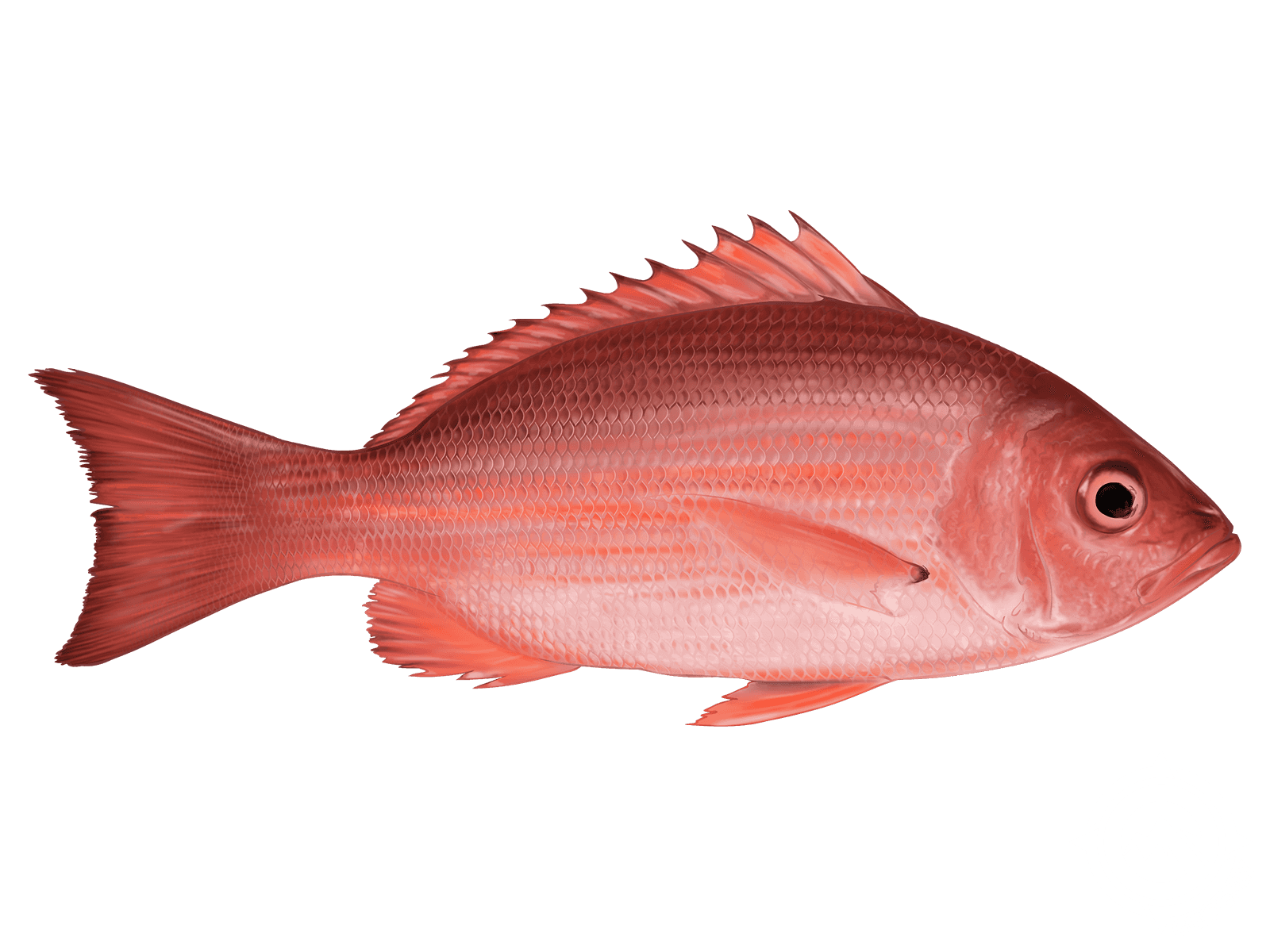
Redfish
Redfish are perfect for young anglers in Choctawhatchee Bay's shallow grass flats and oyster bars. These copper-colored beauties average 20-28 inches and fight way above their weight class with strong, steady pulls. Look for them in 1-4 feet of water around structure and grass beds, especially during moving tides. They're year-round residents but really turn on during spring and fall. Kids love spotting their backs and tails in skinny water. The meat's excellent - mild and flaky. What makes them special is that distinctive black spot near the tail that fools predators. Pro tip: cast past a school and work your bait slowly back through them. Redfish spook easy, so keep noise down and approach quietly.
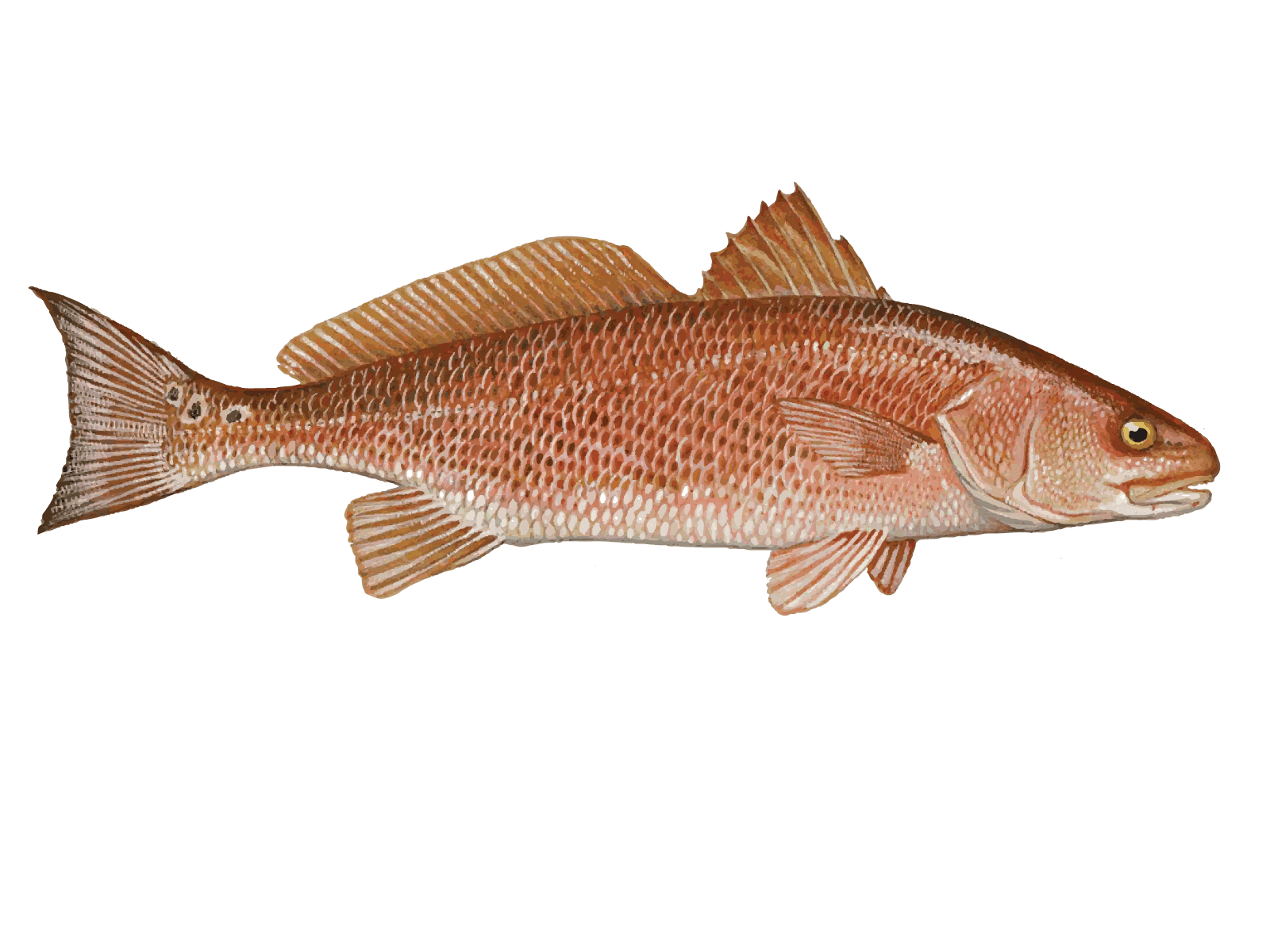
Spanish Mackerel
Spanish Mackerel are silver speedsters with yellow spots that make perfect targets for kids learning to fish. They average 1-3 pounds and 12-18 inches, swimming in schools near the surface around grass flats and structure. Spring through fall brings the best action, especially when baitfish are thick. What kids love most is their aggressive strikes and acrobatic jumps - they're small but scrappy fighters. The meat's mild and flaky, great on the table. These fish move fast in schools, so when you find them, work quickly. They're some of the fastest fish in the Gulf. Local tip: use small jigs or spoons and retrieve them fast. If you see birds diving or bait jumping, cast right into the commotion.
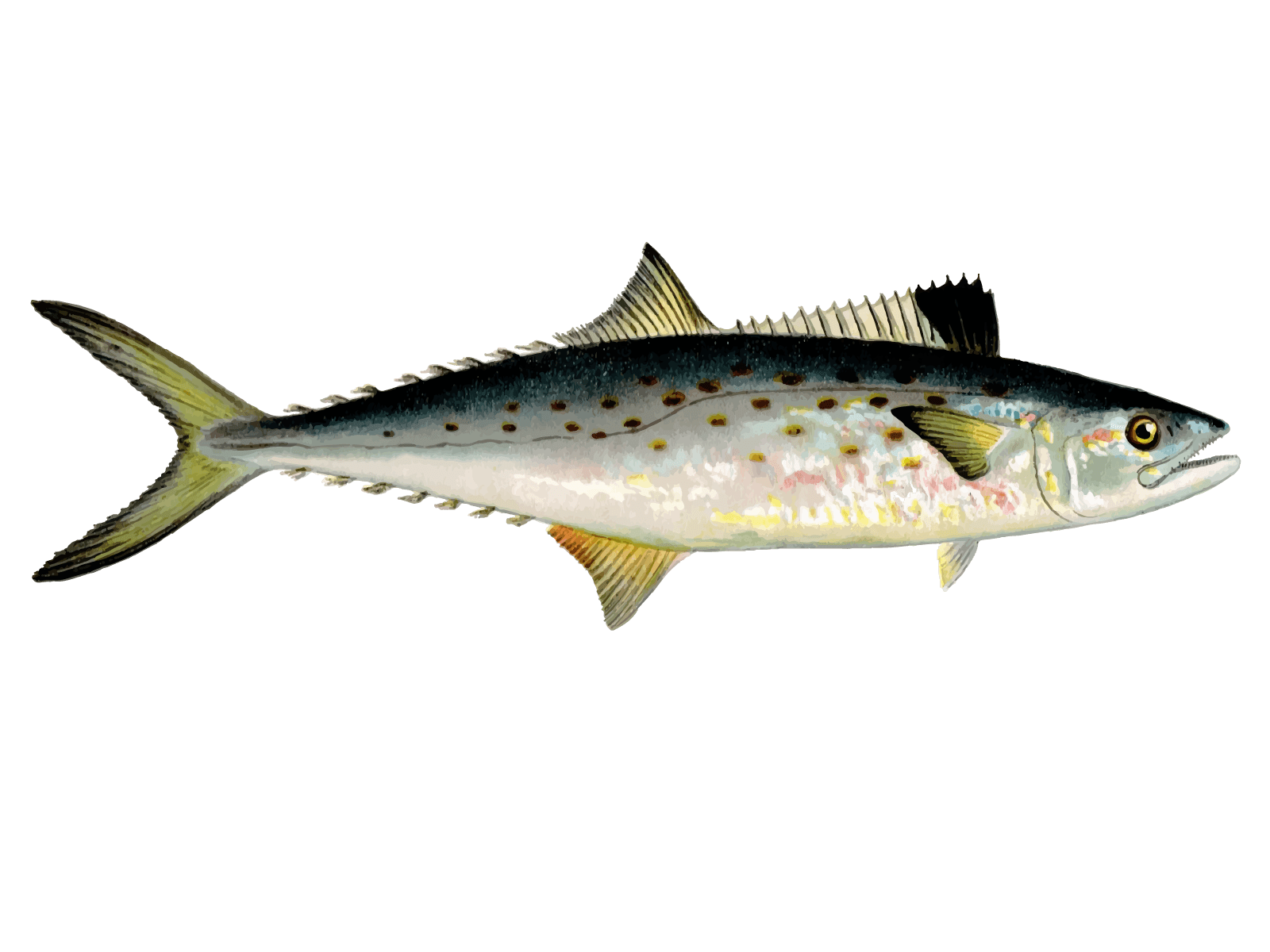
About the 24’ Proline Center Console
%2F%2Fusers%2Fb353ccd3-285f-48a9-b0f2-d3136c1605c5%2Fvehicle_picture%2F1.jpg&w=1920&q=75)
Vehicle Guest Capacity: 6
Manufacturer Name: Suzuki
Maximum Cruising Speed: 35
Number of Engines: 1
Horsepower per Engine: 300